About me
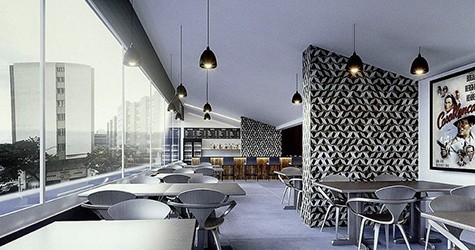
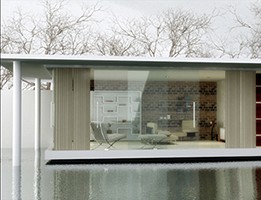
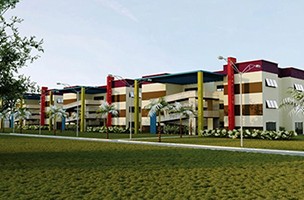
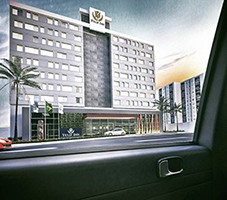
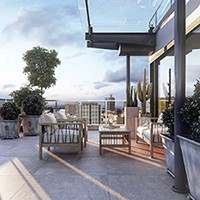
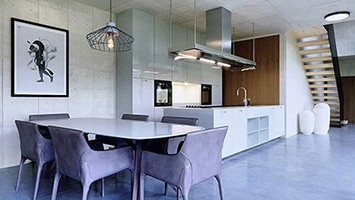
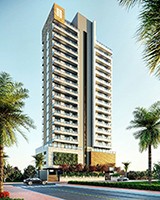
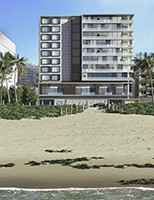
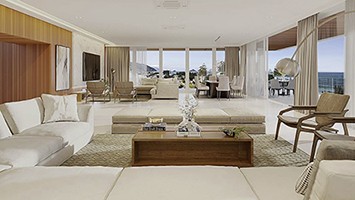
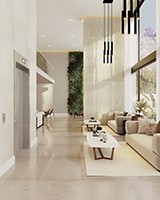
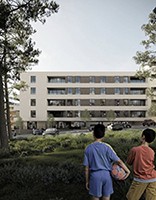
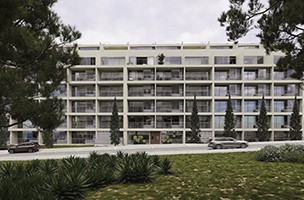
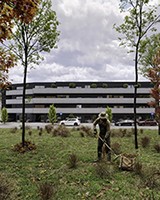
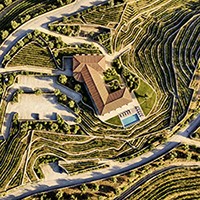
Samir Castro is a Brazilian architectural visualization artist from Rio de Janeiro, based in Portugal for the past five years. Since 2008, he has been transforming ideas into images that anticipate the built environment, combining visual sensitivity, technical precision, and storytelling. His background in commercial filmmaking has shaped the way he approaches light, composition, and atmosphere, giving each image a strong sense of narrative. Today, he collaborates with clients across Brazil and Europe, creating visual experiences that communicate architecture with clarity and emotion. Outside of work, he is passionate about music, especially jazz, and believes creativity is nourished by culture, observation, and everyday experiences.
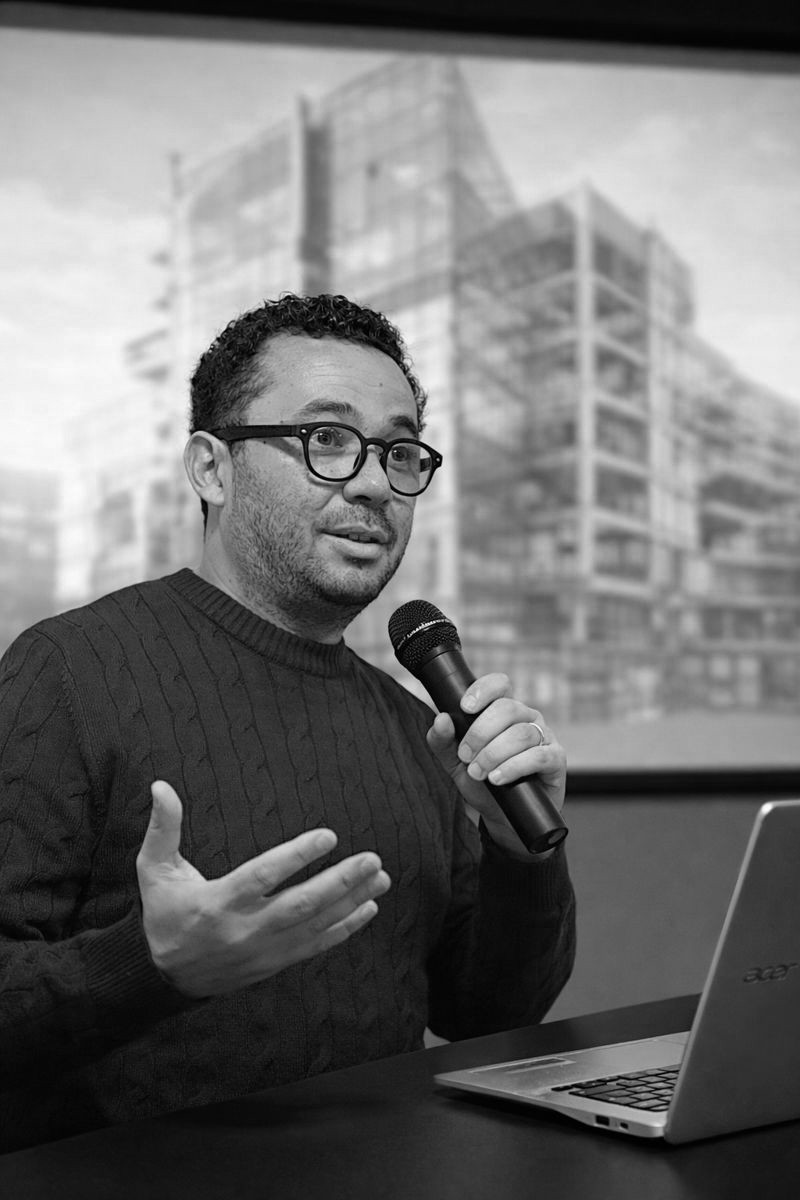
the timeline
My journey from 2008 to today.




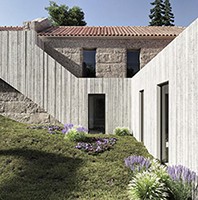
2023
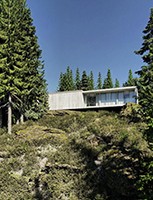
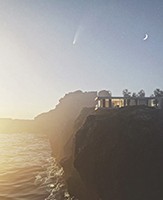

2015
2013
2010
2008
2017
2020
2025
What i create
architectural storytelling
immersive experiences
I create interactive experiences that extend architectural storytelling beyond the image. Through real-time environments developed in Unreal Engine and fully immersive 360° tours, spaces can be explored, not just observed. Technology becomes a medium but it is guided by the same principles of light, atmosphere, and narrative. The result is an experience where art and technology converge, allowing architecture to be felt, navigated, and understood before it exists.
Augmented Vision / AI
Artificial intelligence is part of the process not as a replacement, but as a subtle extension of the creative eye. Used with intention, it helps refine mood, accelerate iterations, and explore possibilities, while the core remains guided by light, composition, and narrative. Technology enhances the vision, but never replaces it.